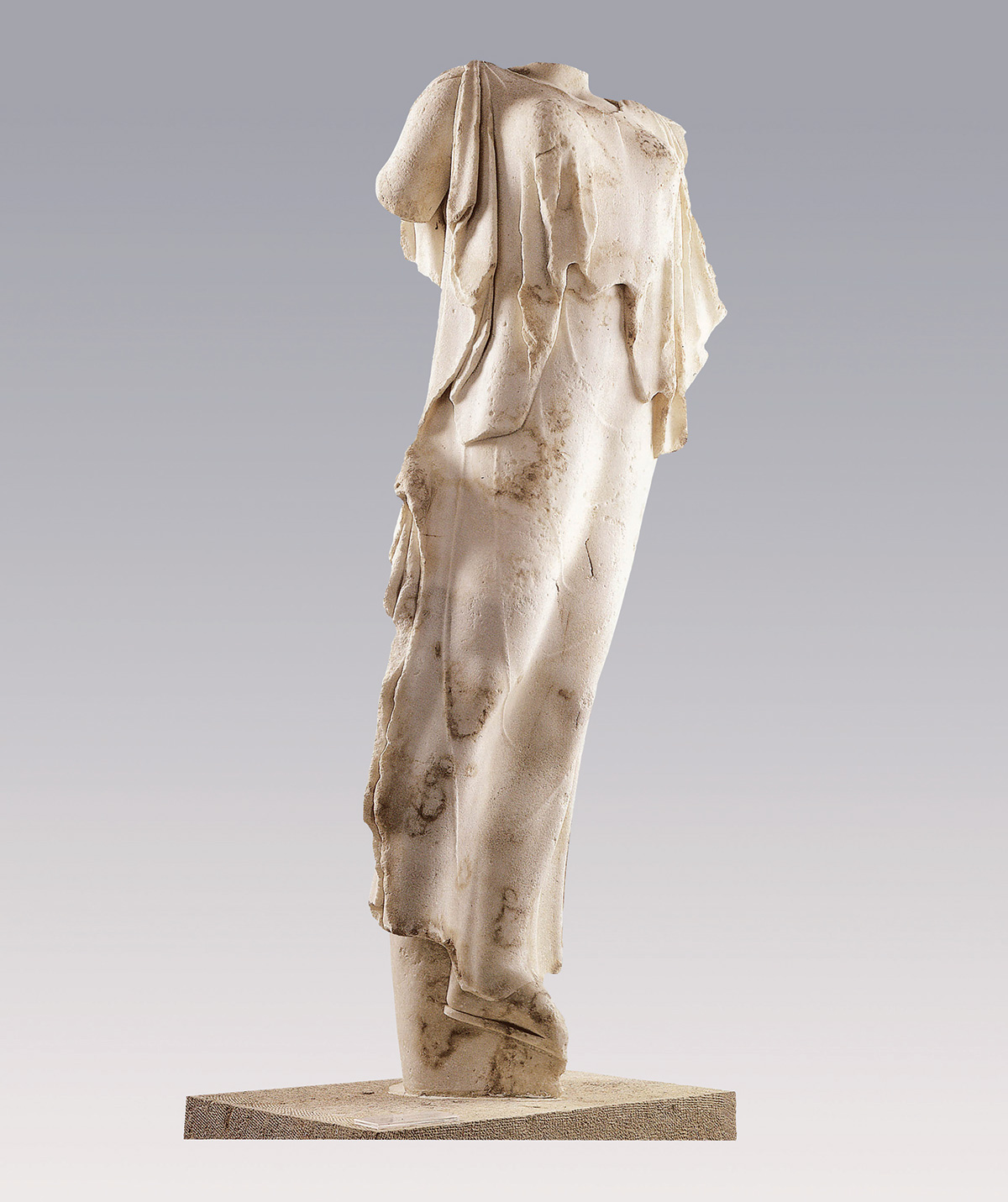
Nike, 5th c. B.C. Archaeological Museum of Paros
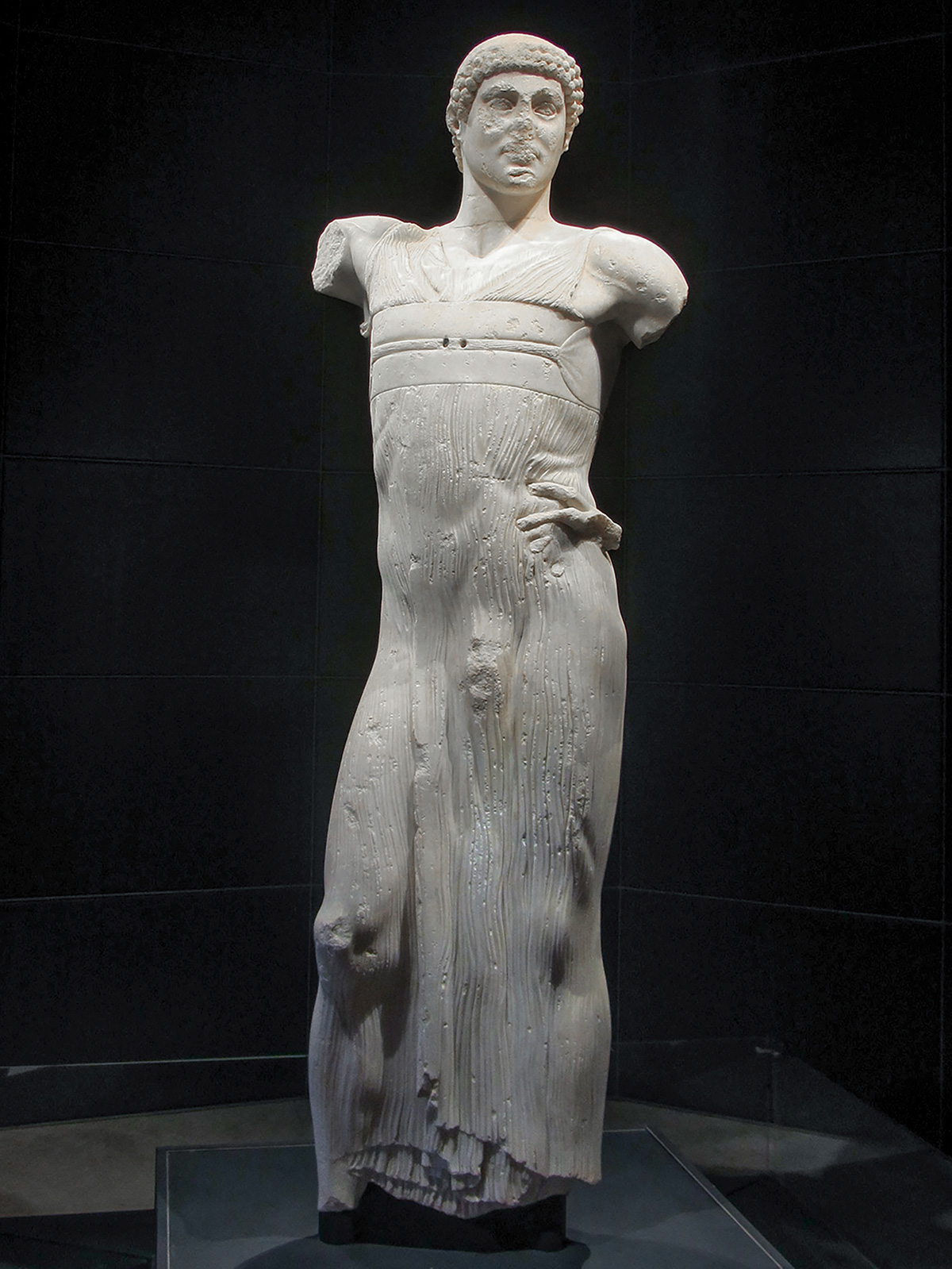
Charioteer 5th c. B.C. Mozia Archaeological Museum
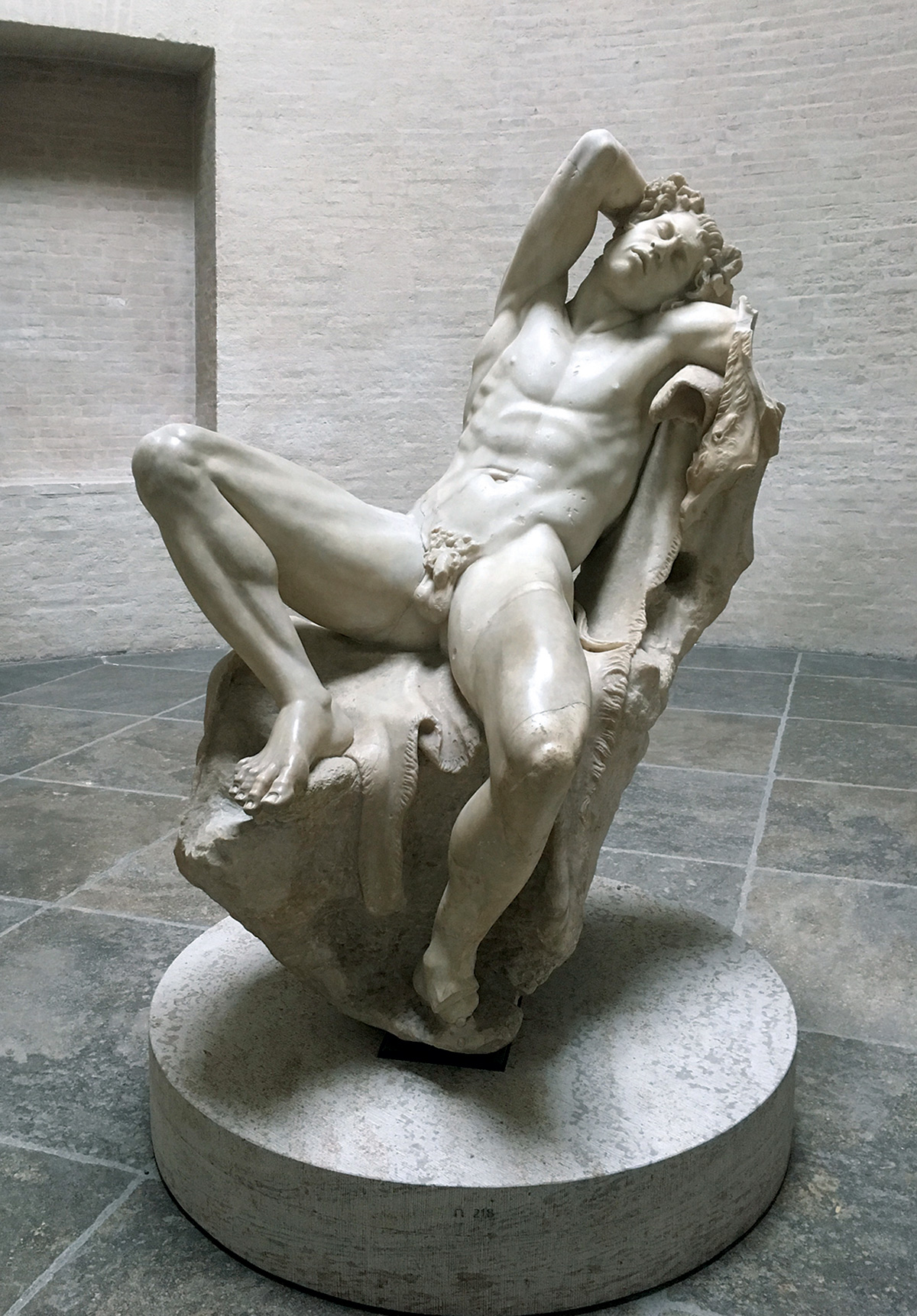
Barberini Faun 3rd c. B.C. Glyptothek München
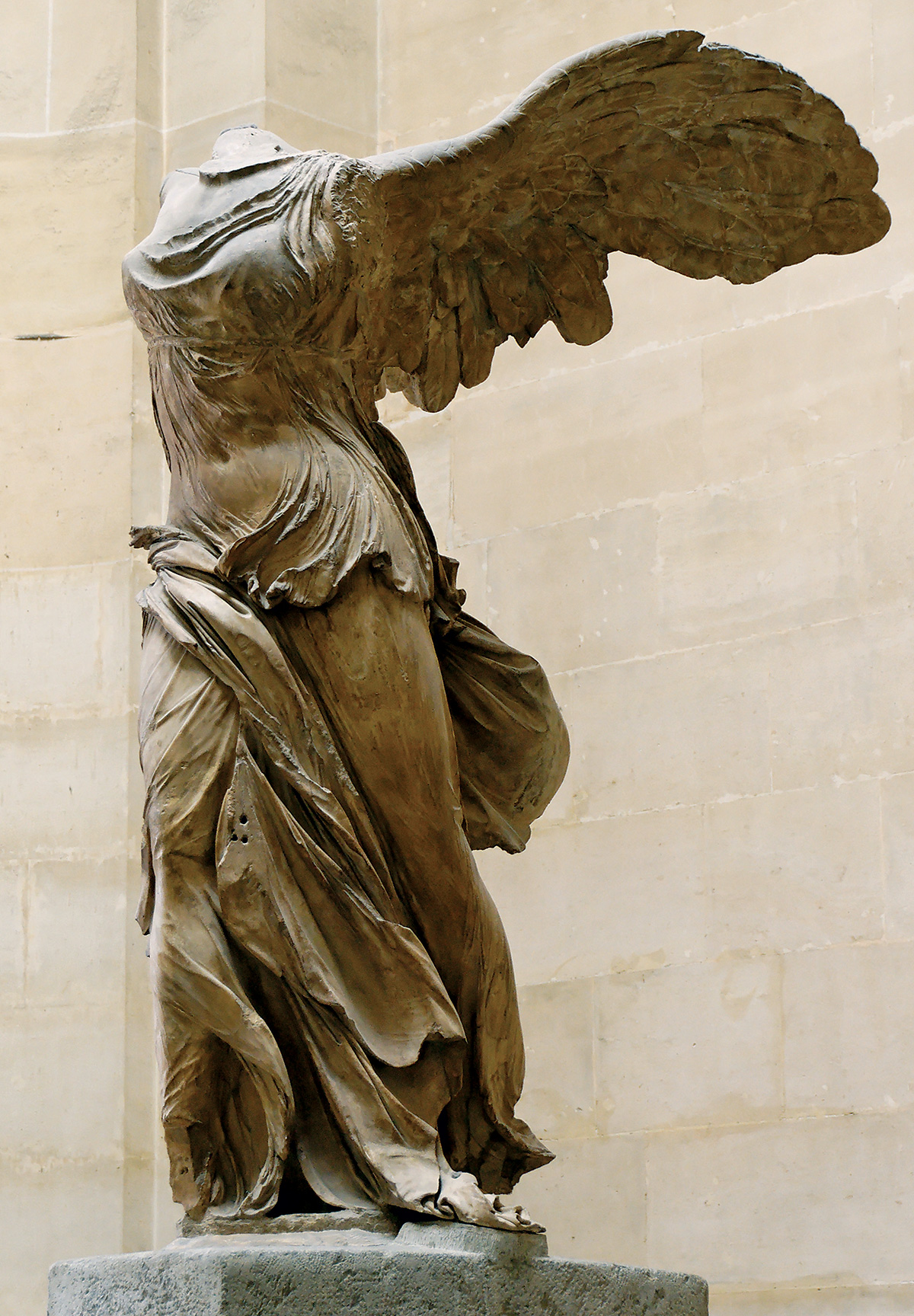
Nike of Samothrace ca 200 B.C. Louvre Museum
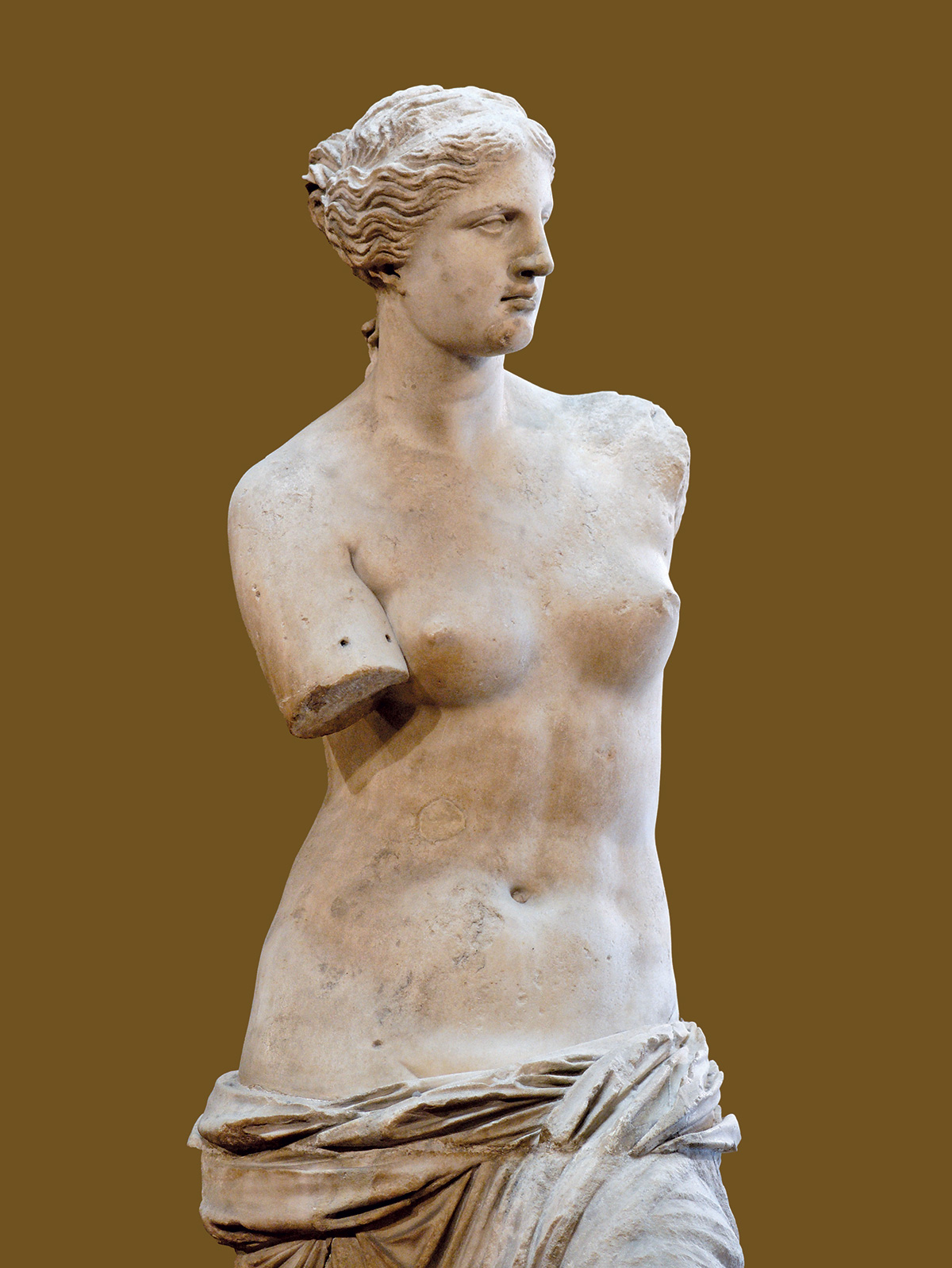
Aphrodite of Melos 2nd c. B.C. Louvre Museum
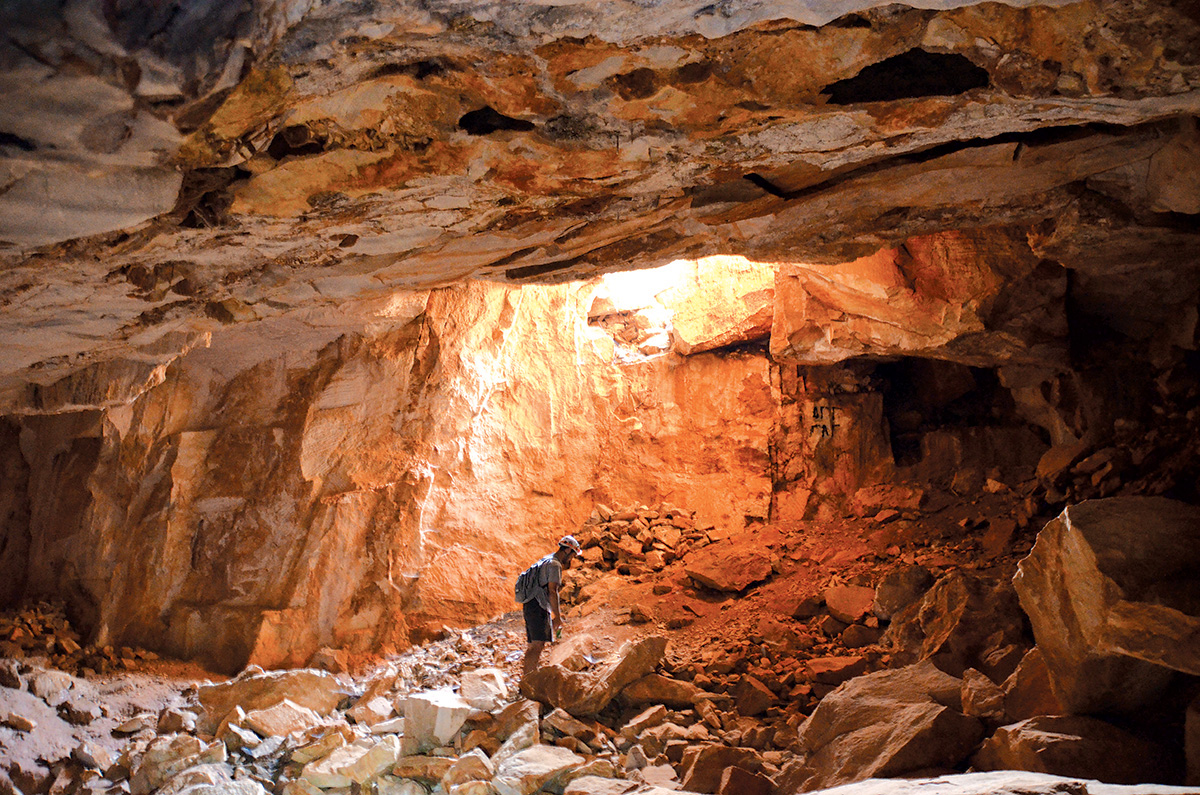
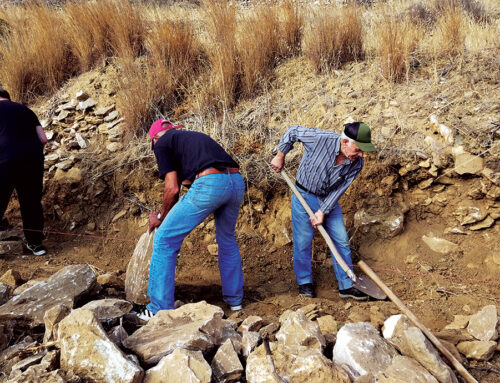
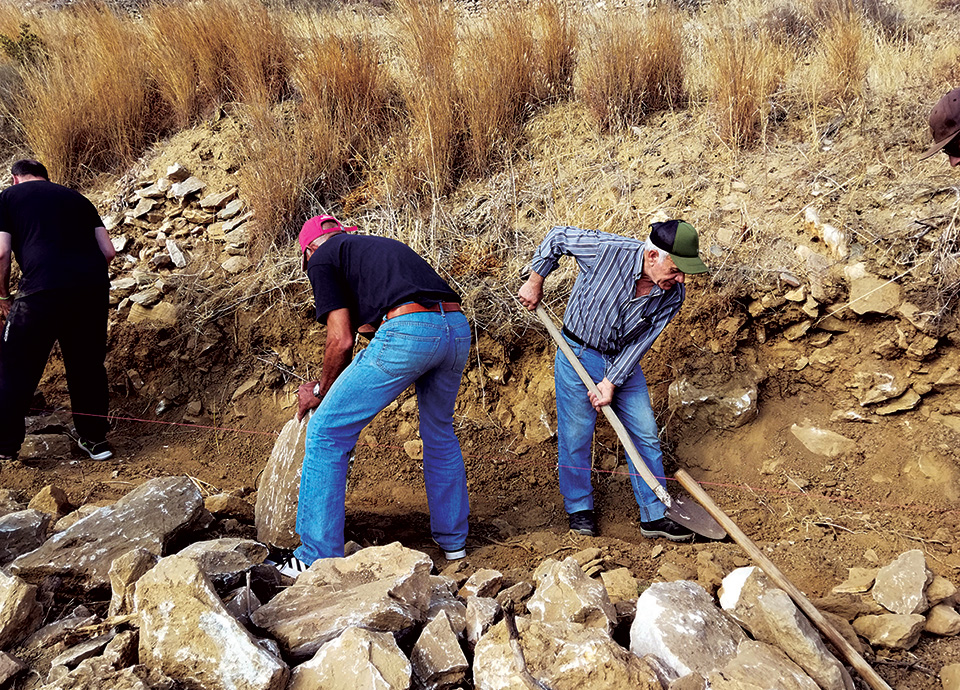
Τhe ancient quarry of Pan in Marathi
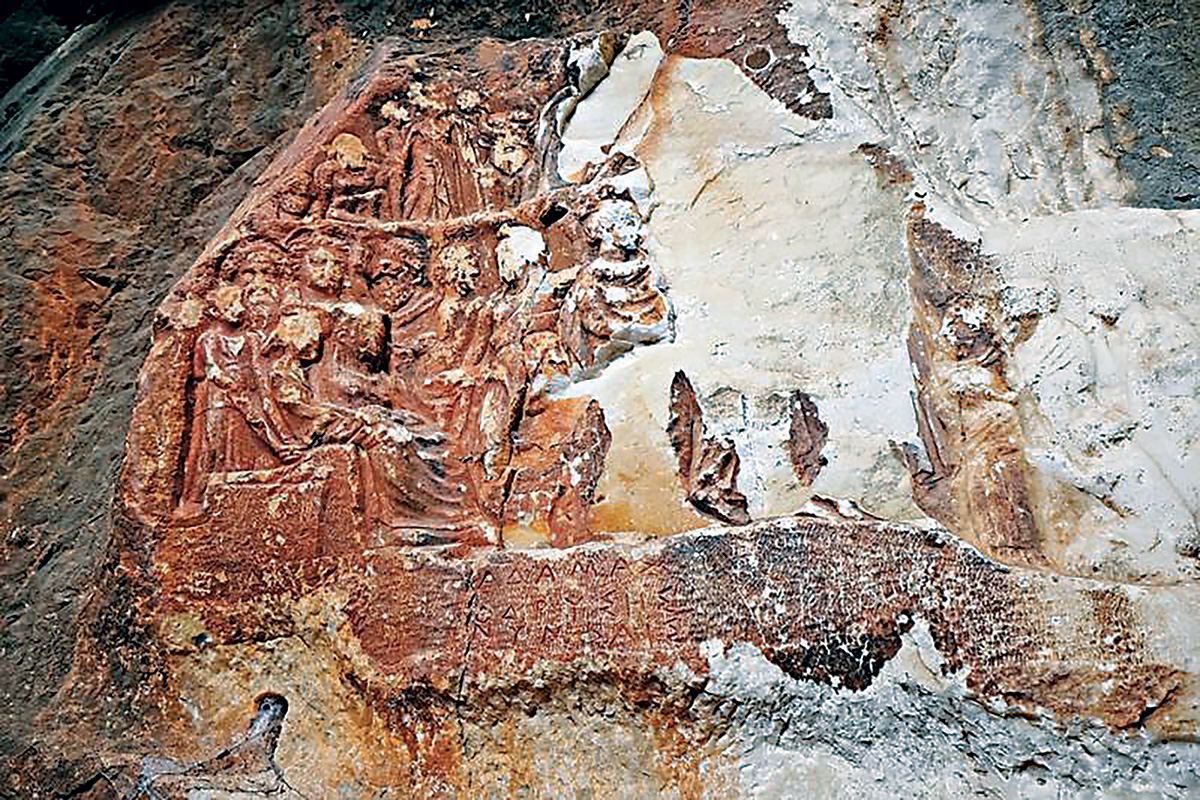
The relief of the Hellenistic period (ca 350B.C.) is dedicated to the Nymphs
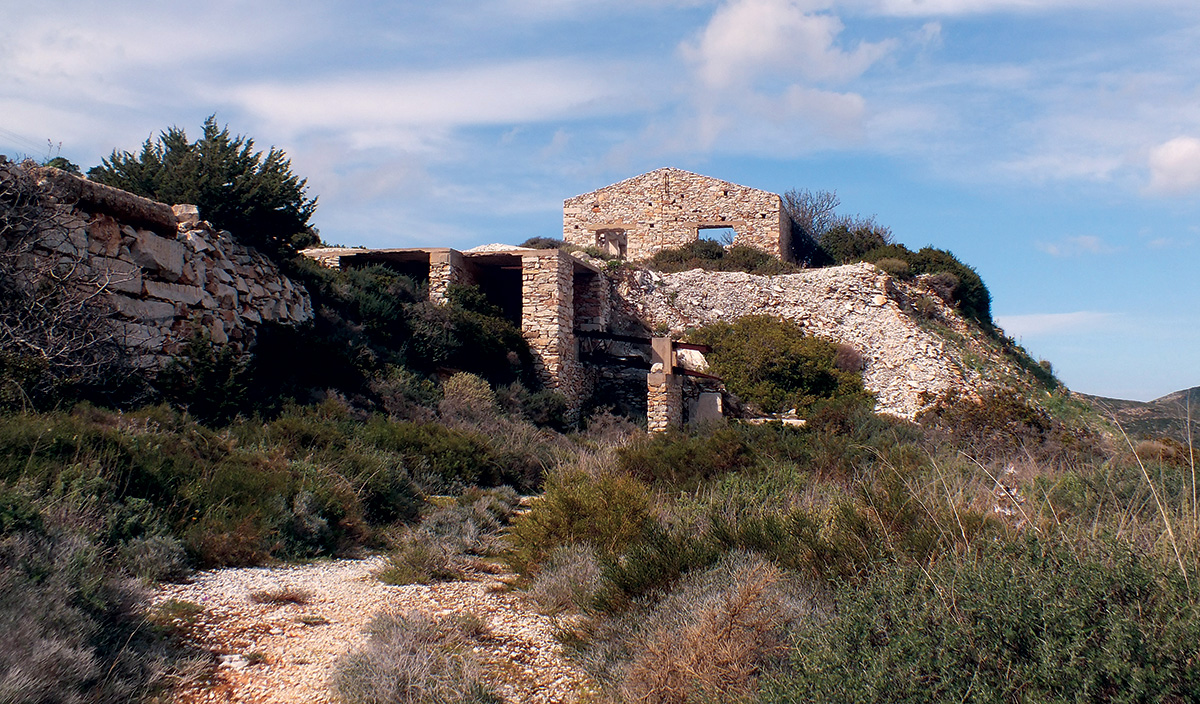
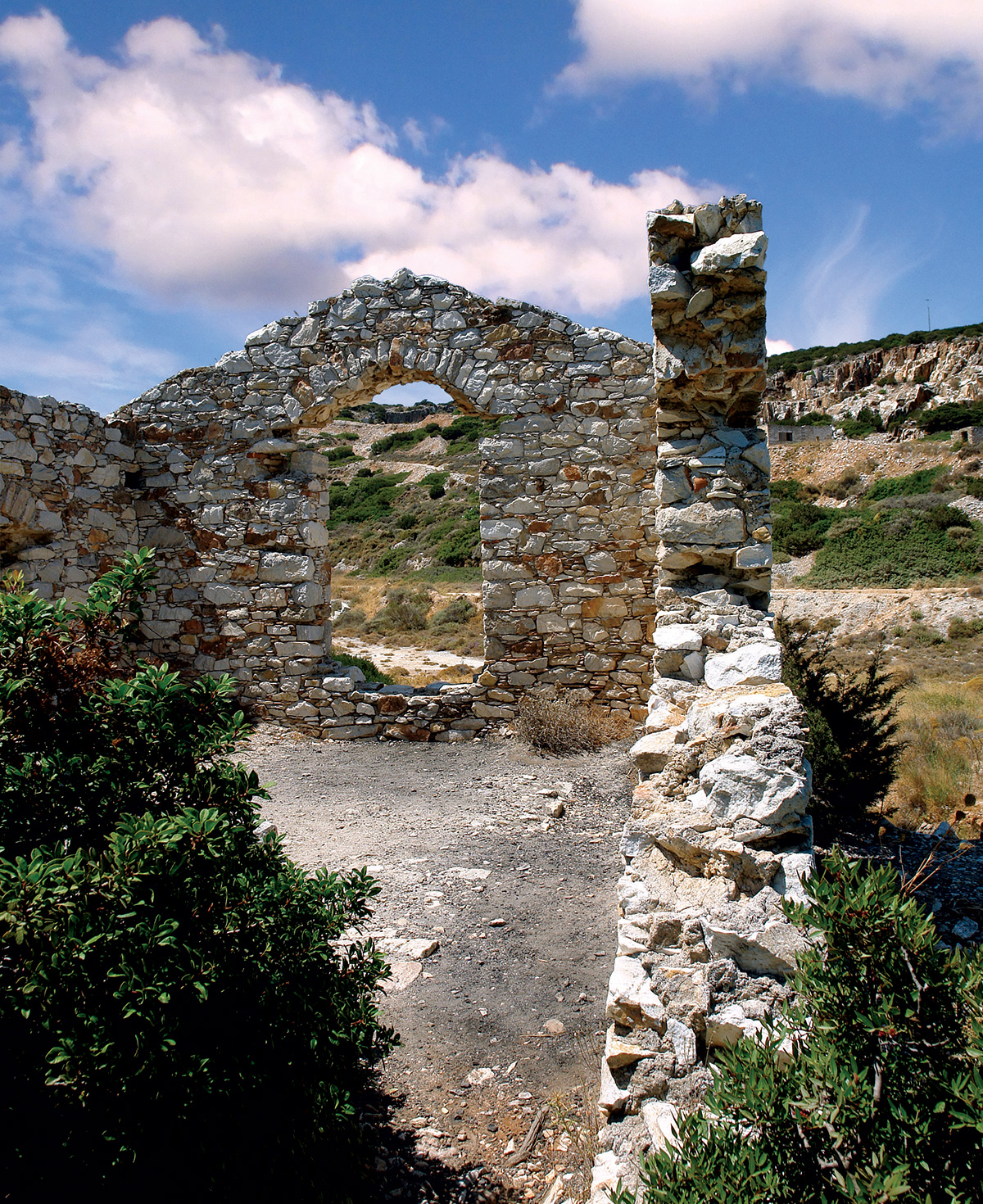
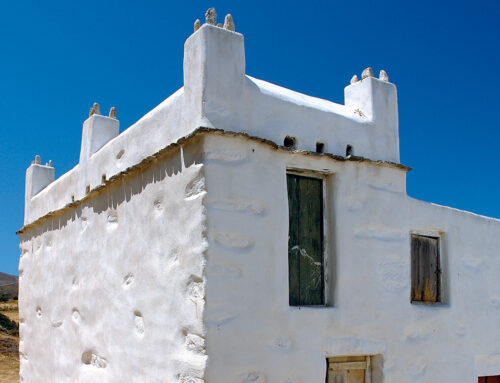
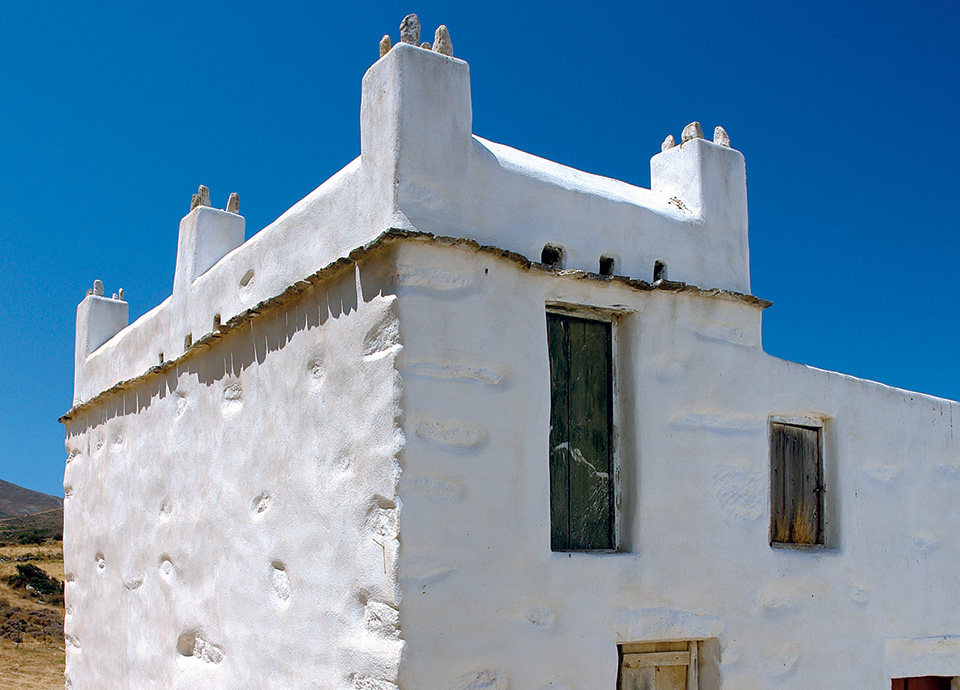
Industrial buildings of the 19th c. from the short period of the reactivation of the quarries in Marathi
THE ANCIENT QUARRIES OF PAROS
Text: Avgi Kalogianni
An underground treasure
In antiquity, the marble of Paros was a blessing for the island, affording it fame and wealth. The ancient quarries of ‘Paria Lithos’ (Parian Stone) were the main reason Western European travellers began visiting the island, from the 18th century onwards.
With the establishment of the Greek state in 1830, interest in the quarries was rekindled with a view to reopening them. Although commercial activity from the latter half of the 19th century to the early 20th century failed to bring significant results, the importance of the work conducted especially in the ancient quarries of Marathi proved to be of great importance to archaeology.
Thus, the 20th century contributed substantially to the collection of data from various excavations and research, with interest intensifying from the 1970s and culminating in October 1997 with the First International Conference of Paros and the Cyclades on ‘Parian Stone, Quarries, Marble and Sculpture Workshops of Paros.’ Leading Greek and foreign scholars participated, and the conference proceedings were published in an extensive volume edited by archaeologists Dimitrios Schilardi and Dora Katsonopoulou, two of the main organizers of the Conference. It was also back then that the quarries were mapped by National Technical University of Athens professor Manolis Korres.
The Conference was pivotal for the study of Parian marble, and adopted a resolution for the preservation and promotion of the ancient quarries, signed by all participants. It also led to the establishment of the Institute for Archaeology of Paros and the Cyclades, which continues to undertake research and organize conferences under the presidency of archaeologist Dr. Dora Katsonopoulou.
Although almost 30 years have passed, none of the articles of the resolution have been implemented, despite ongoing efforts to resolve legal and technical issues. The Ephorate of Antiquities has fenced off the ‘Nymphs’ Quarry,’ restricting access to protect the monument and ensure visitors’ safety, and has also developed the entrance and forecourt to ‘Pan’s Quarry.
Various symposiums and smaller conferences have been organized, primarily by the Federation of Parian Associations. Over the past three years, the baton has been passed to the CNPC ‘Ancient Marble Quarries Park of Paros,’ which coordinates all the involved bodies through a series of initiatives. One such initiative was the installation of informative signposts to guide visitors through the site.
Preserving and promoting the history and cultural significance of the ancient quarries presents a major challenge for Paros. As Professor Manolis Korres points out, the ancient quarries in Marathi form “a unity spanning approximately two and a half millennia, simultaneously constituting classical archaeology, a natural monument, and modern industrial archaeology –all in one and on the same site. It goes without saying that our cultural heritage must be a priority and something worth making sacrifices for.”
The following text seeks to provide a concise overview of the history and significance of the precious Parian marble.
«The island of Paros is a piece of marble emerging from amongst the waves of the Aegean Sea», wrote Andre Bonnard, a French hellenist, a few decades ago, intending to stress the particular physiognomy of the island, derived from the famous Parian marble, a material which cast a spell on the artists of antiquity. It was the raw material out of which numerous masterpieces of ancient sculpture and architecture were made, such as Praxiteles’ Hermes, Aphrodite of Melos, Nike of Samothrace, Nike of Paeonios in Olympia, the sculptures of the Mausoleum in Halicarnassus and those of the Temple of Artemis in Ephesus.
Scores of marble quarries, most of them at surface level with a few underground ones, were opened over the centuries at various spots on the island, at Kostos, Naoussa, Thapsana, Horidaki, Dryos and so on. Among them, most distinguished are the underground ones in Marathi, about 5 kilometres from Paroikia. Their fame is not without reason, as they were home to the renowned “lyhnitis”, the best and rarest quality of Parian marble: white as snow, fine grain, exquisitely translucent, offering unprecedented plasticity to the sculptures, hence it was mainly used for statue making. There was also a “second” quality of white Parian marble, the so-called “white rock”. Thicker and less transparent, was mainly used for the construction of buildings and temples.
The quarries in Martathi extend on both sides of a valley formed by the Skarpathiotis, a stream that runs on the mountain slopes. Its waters digging into the soil, the stream revealed the “lyhnitis” to the ancient inhabitants of the island. Initially they would only quarry on the surface, but later, when the surface sources ran dry but demand was constantly increasing, ancient marble quarrymen followed the veins of marble under the ground, building tunnels and underground halls. It was an extremely tiring and difficult job.
The quarrymen, skilled technicians, usually slaves but very often free men as well, worked with various types of hammers, round, square and pointed ones, extremely heavy ones, cutters, needles and a number of other tools. Facing a wall of marble, they used to follow the downhill direction of the veins and cleared the upper part of the material, thus creating a narrow roof allowing enough space for one worker lying sideways to dig. Next, the sides and the back was freed, so that a huge square shaped volume of marble emerged from the ground. This was later detached from the rock using iron wedges placed around its base. In the darkness of the depths of the earth work was carried out with aid of oil lamps, “lyhni”, which probably provided the rock with its name, “lyhnitis”.
Although the first use of Parian marble is recorded in the 4th millennium B. C., the Marathi underground quarries were opened in the 7th century B. C. Until the 5th century marble trade brought a great reputation, fame and wealth to Paros, which gradually decreased after the discovery of Pentelic marble in Athens, which was a lot easier to carry. Lyhnitis, nevertheless, never ceased to be in demand, but its exploitable deposits ran dry at around 300 B. C. Other qualities of marble, however, kept being in use until Roman times. After the 2nd century A. D. interest in the quarries withered and with very few exceptions the quarries remained inactive until the establishment of the modern Greek state.
After the War of Independence in 1821, the industrial revolution arrived quite late in the newly born Greek state and, oddly enough, triggered an explosion of mining activity on the Greek islands. The first efforts made in Paros to re-activate the quarries in Marathi started in 1840, initially with the dreamer architect Stamatis Kleanthis, the first city planner of Athens, and were continued by a French company, but to no avail.
In 1878 Belgian businessmen in collaboration with Greek land owners founded the Belgian Company of Parian Marble, which, in a unique effort, builds engine sheds, winch sheds, accommodation and offices near the quarries, a factory for marble cutting in Paroikia, a railroad with rock carrying wagons and buys a ship for transporting the marble! A new tunnel is dug providing access to the ancient quarry, the existing one is widened, new tunnels are carved, in short the quarry is completely renovated. After having spent a fortune, about 5,800 000 francs, the company interrupts work in 1881 due to unreasonable expenditure and, consequently, it comes into Greek hands and starts operating under the new name of “Greek Company of Parian Marbles”. Essentially, however, the whole effort resulted in emptying the quarries of thousand cubic metres of pebble, stones and other small pieces left behind by ancient quarrymen, when filling up with useless materials the quarried spaces. When this enormous amount of material had been taken away, it was made clear that all useful quantities of lyhnitis had been already removed by the ancient quarrymen. So in 1884 the “Greek Company of Parian Marbles” went bankrupt. Minor efforts made later on had no better luck and the area was left in peace. Whatever quantities of lyhnitis are still there, must be lying at the very depths of Parian land…
A little further outside Marathi, a wide marble paved road starting at a turn of the Paroikia-Lefkes road, turns further into a soil path and takes us to the best known ancient quarry, the one on the eastern side of the valley. Two galleries link this quarry with the world outside. We first come to the northern one going down into the ground with well built walls, looking like the dwarf city in the Lord of the Rings. Its well preserved entrance is evident of its age: it’s the one opened in the 19th century to serve as a new way into the ancient quarry.
A bit further a relatively spacious cave opens up under enormous masses of marble marking the spot of the second gallery leading to the quarry. It is the ancient entrance to it, verified by the hellenistic sculpture dedicated to the Nymphs dated back to 350 B.C. Carved on the left side of the rock, behind the railing which has been placed there to protect the relief from vandalism. This relief gave its name to the quarry, “The quarry of the Nymphs”.
The quarry of the Nymphs is 200 m long and 50-120 metres wide. In ancient mines large square columns of rock were left to serve as roof support. In later times illegal quarrymen took away many of those columns resulting to the ceiling giving way. Moreover, the residues of quarrying activity fill up much of the inner space. This is why access is not allowed and entrances are kept closed with metal fences. However, an equally impressive and a lot more easily accessible underground quarry, the entrance of which has been restored allowing visitors to get in up to a certain point, can be found a few hundred metres away. A rather uneven dirt road leads there going uphill onto the western side of the valley, amongst other older and newer quarries. It is the so called “Quarry of Pan”. A relevant sign at the entrance signposts its position. Marks from the tools of ancient quarrymen are visible on the ceiling and the sides and at other places graffiti engraved or painted in black paint reveal names of visitors and old foreign travellers.