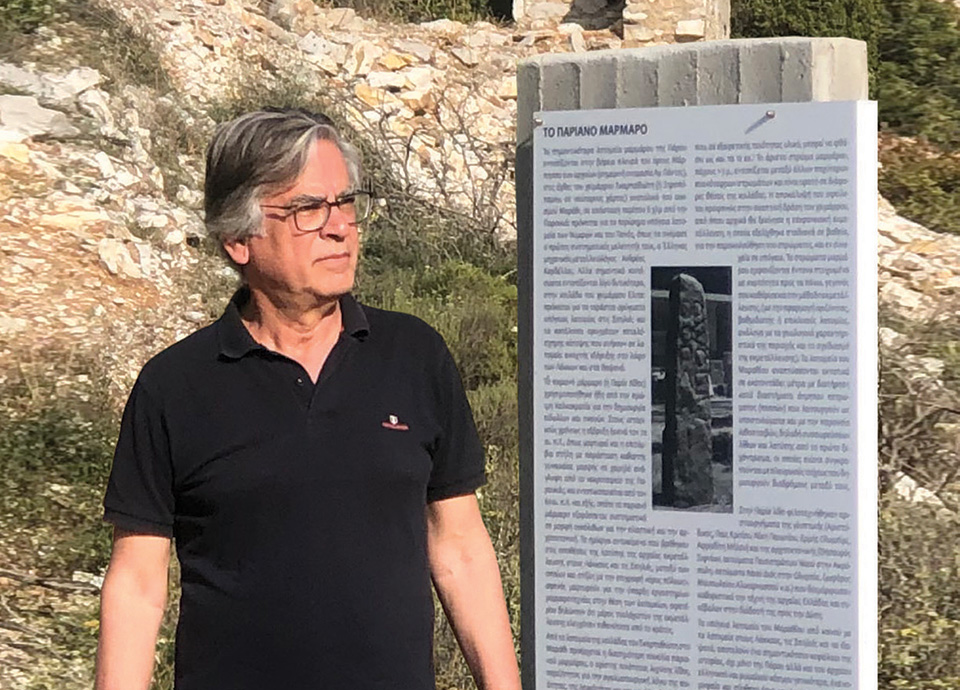
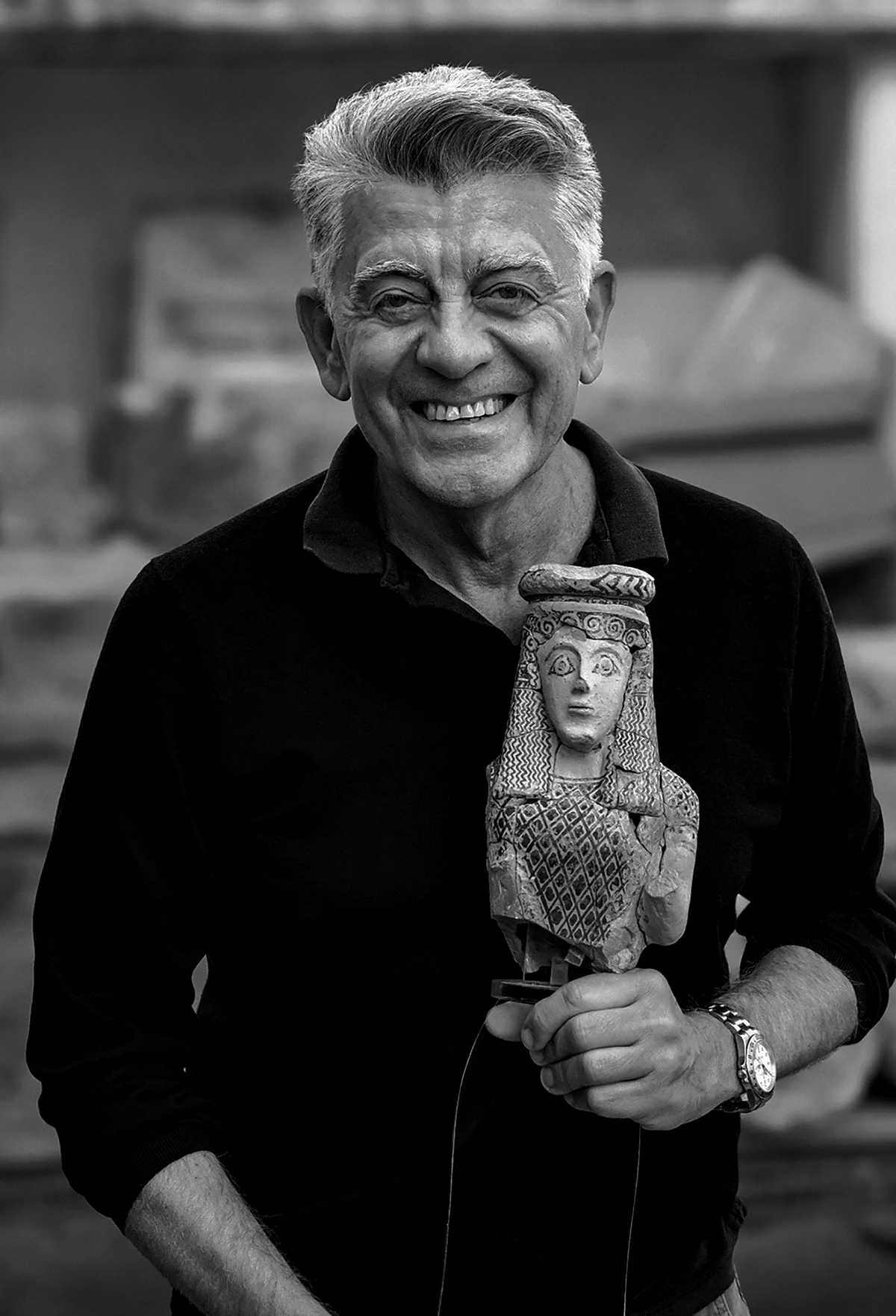
Yannos Kourayos
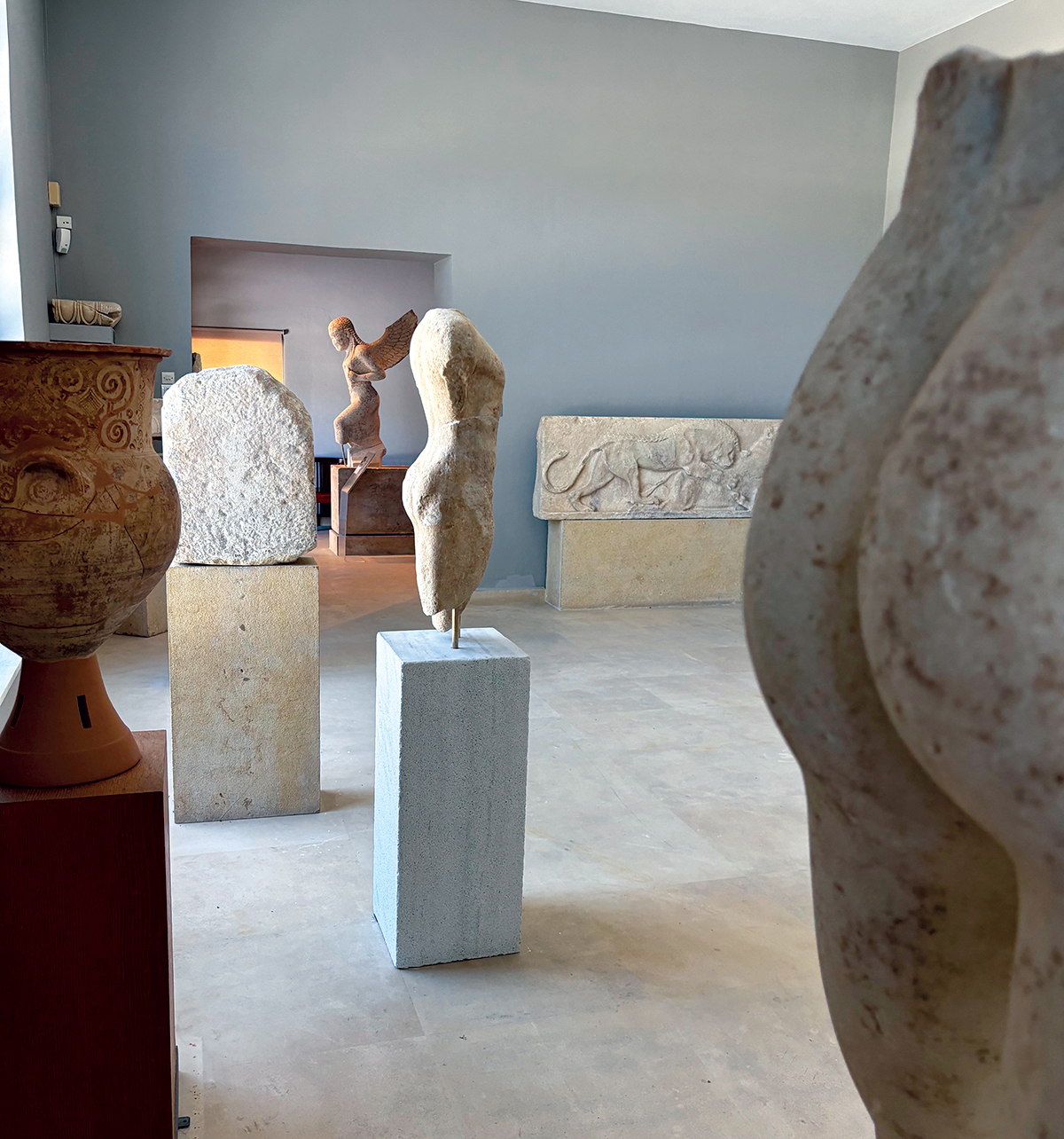
Internal view of the Archaeological Museum of Paros. At the foreground, body of archaic kouros that was recently found at Despotiko
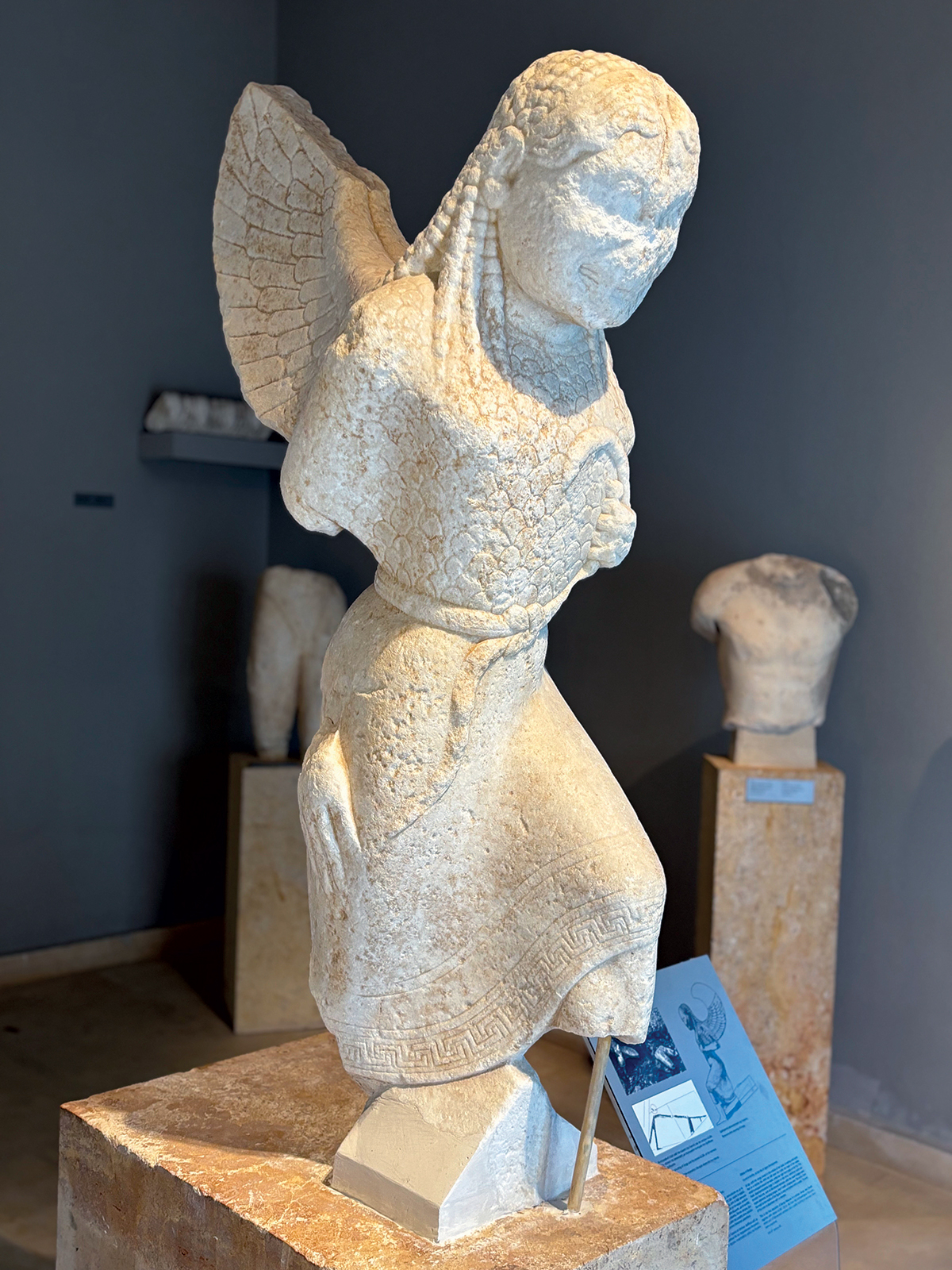
Gorgo, a sculpture of exquisite art of the 6th c B.C. that was found at the excavation of the Open Sanctuary
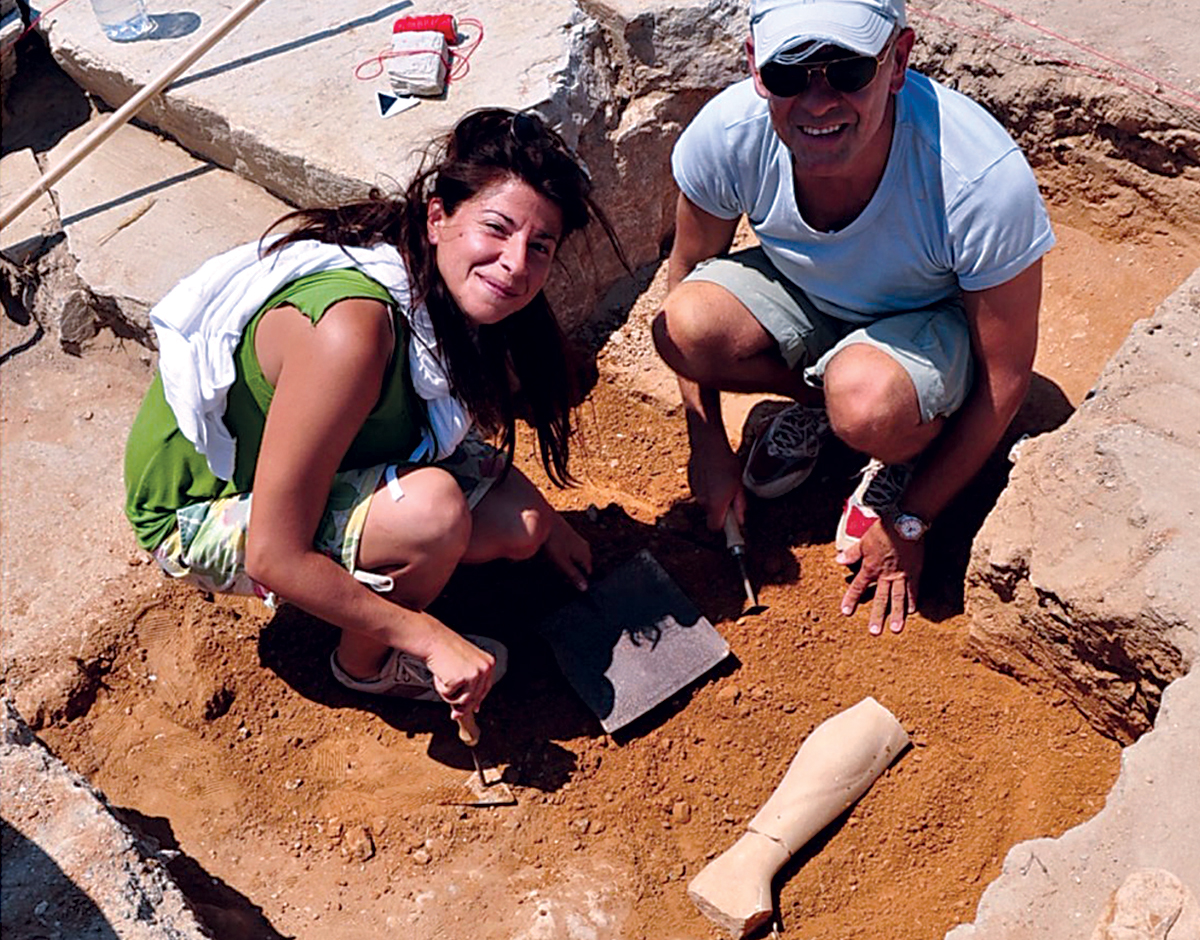
Yannos Kourayos with Ilia Daifa during the excavation at Despotiko
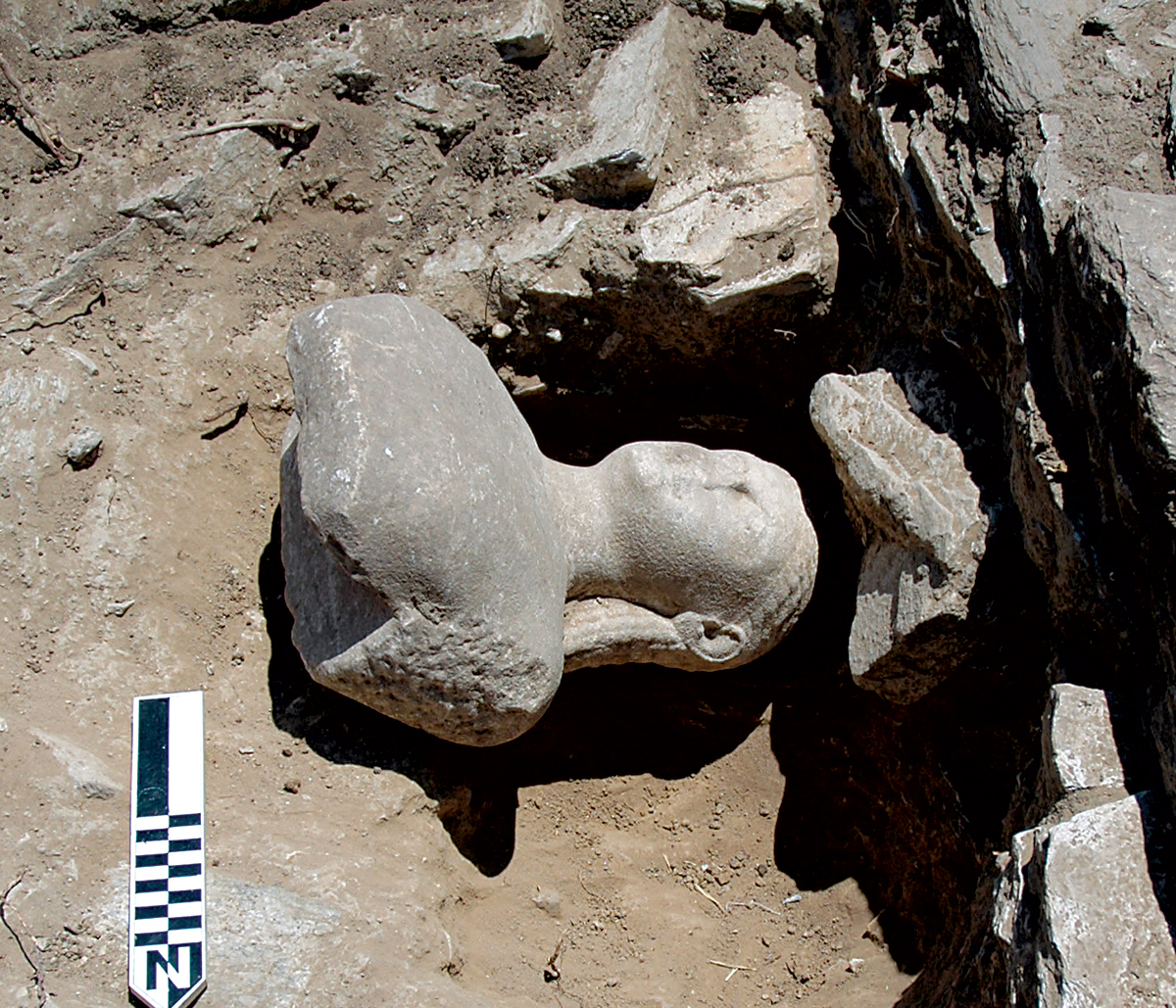
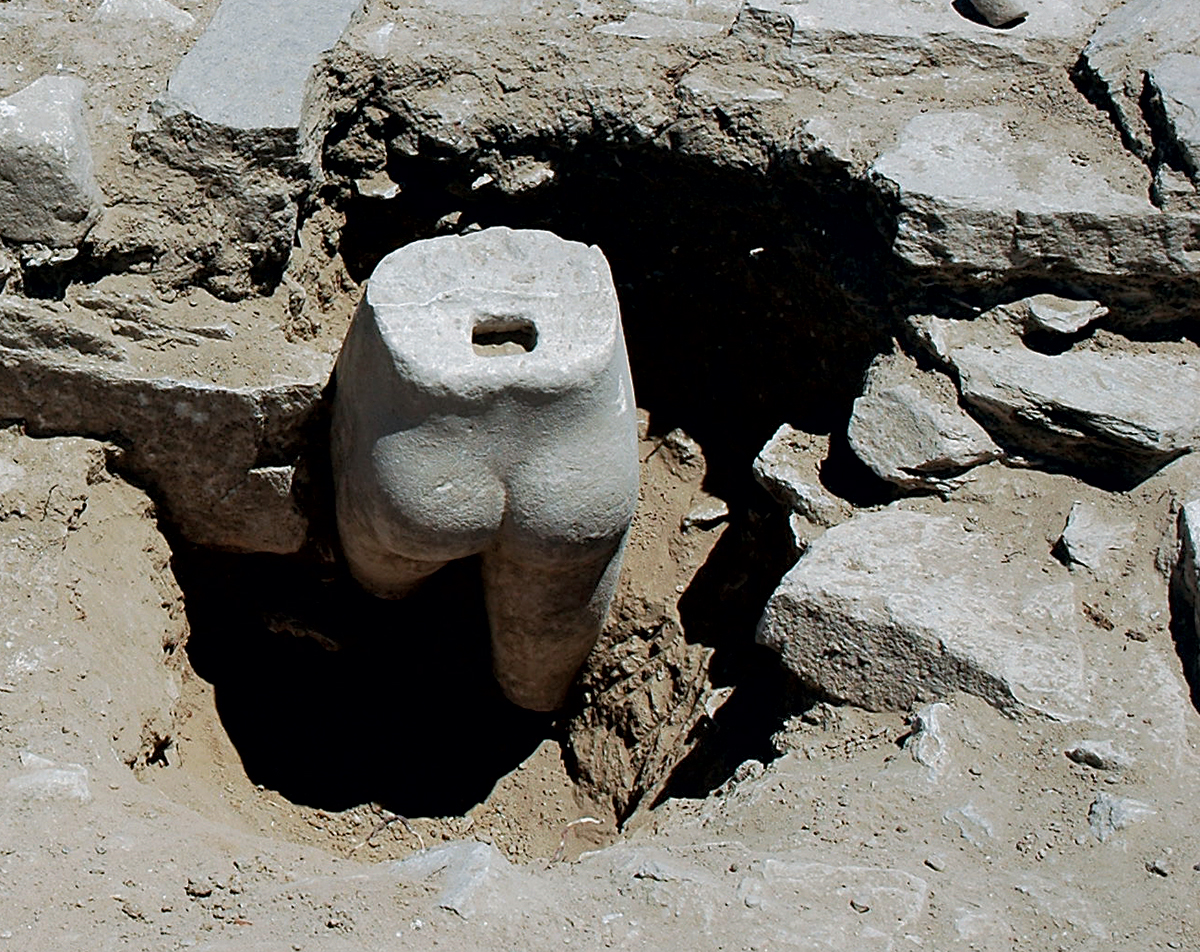
Discovering pieces of kouros imbedded in the wall of the sanctuary – with its mortise and tenon joint visible
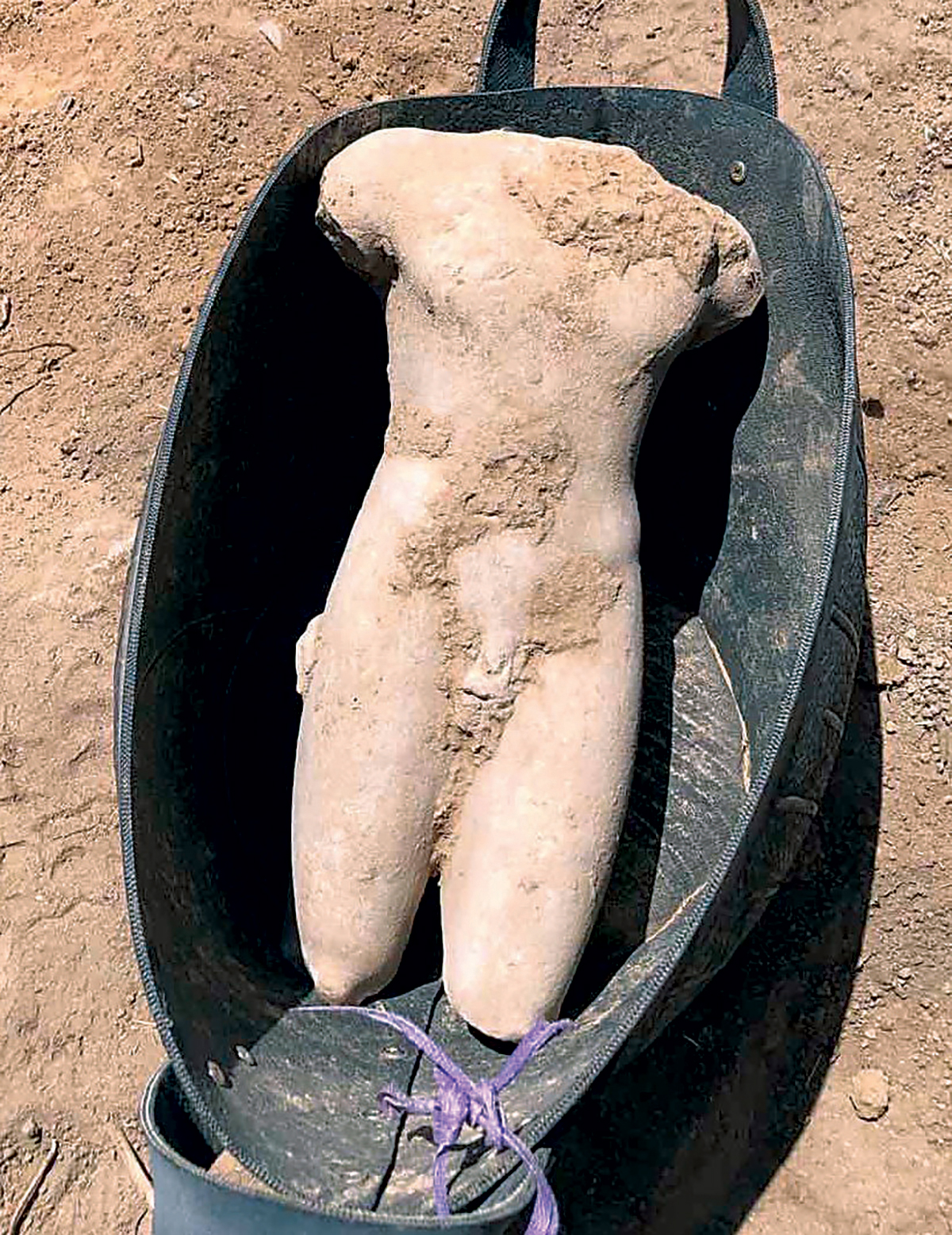
Torso of a youth in severe style found at Despotiko in 2023
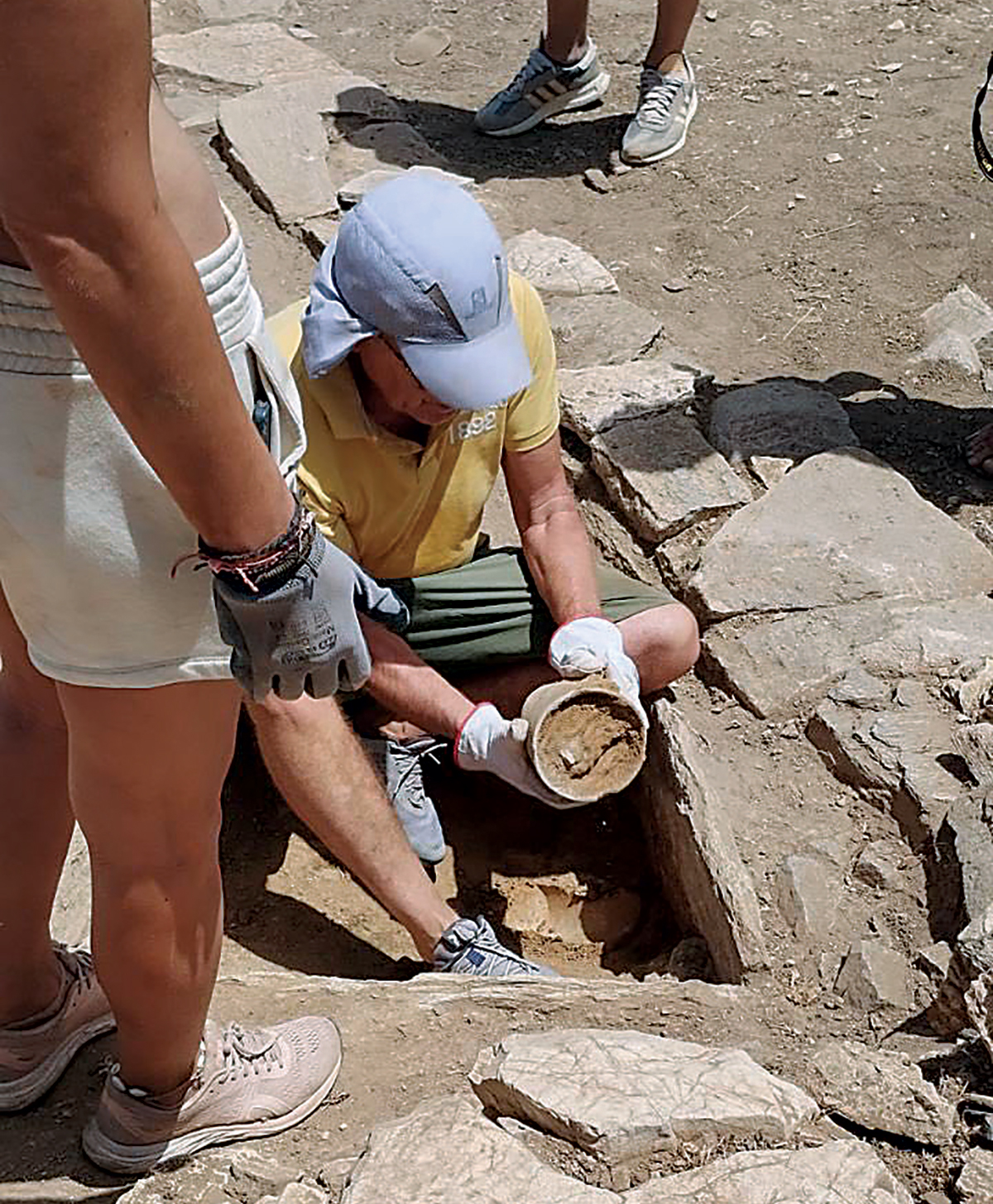
Early Cycladic tomb with important finds at the islet Tsimintiri
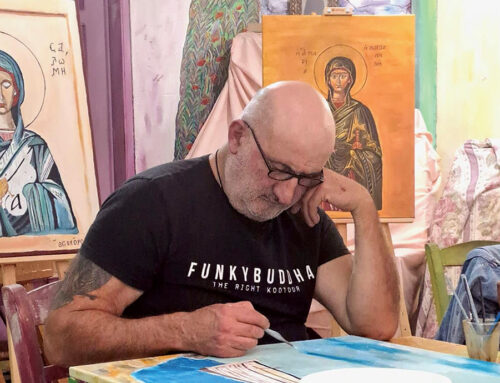
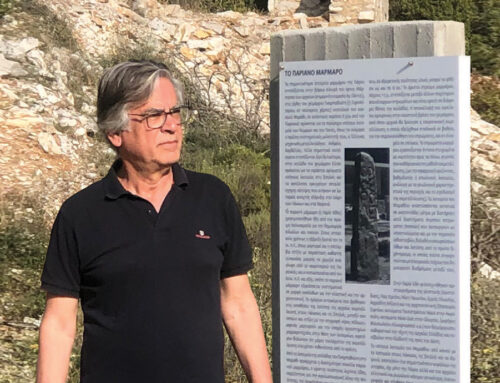
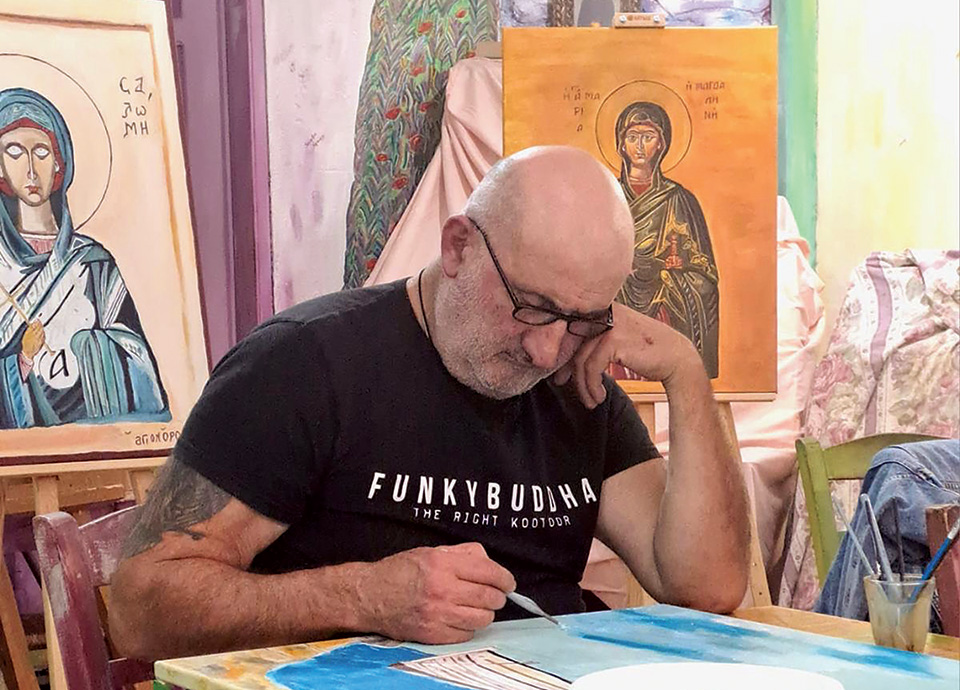
Yannos Kourayos
Interview: Avgi Kalogianni
The constant archaeologist
Archaeologist Yannos Kourayos has been mainly associated with the excavation at Despotiko, the small island to the west of Antiparos, which came to prominence even before it officially opens its gates to the public. Indeed, this excavation, which began 28 years ago, and advanced despite numerous adversities, was destined to become his life’s work.
This interview was held on the occasion of his retirement after 38 years of service at the Ephorate of Antiquities of the Cyclades. Our discussion kicked off with an assessment of his career as an archaeologist at the Ministry of Culture, with jurisdiction over Paros and Antiparos, and continued on the pressing issue of the condition of the Parian monuments, the ancient marble quarries and the present and future of Despotiko.
The pros and cons of being a Ministry Archaeologist
Being an archaeologist at the Ephorate affords prestige, authority, and the ability to achieve many things, but can also make you the target of complaints, and you have to deal with lawsuits and bureaucracy. In my career, I was faced with challenging situations. One of the worst was the theft at the Museum in 1992, when there was no alarm system yet. Eighteen Cycladic figurines were stolen and never recovered. I was young and inexperienced; it was an unpleasant experience.
The greatest satisfaction Paros has given me is walking down the street and talking with just about everyone – they all love me and now consider me a Parian. Paros was an unspoilt, pristine place when I came here in 1986. I dug up many private plots as back then the rebuilding of Parikia was getting started. Among them, was the Open-Air Sanctuary behind the “Tserki” café that gave outstanding statues. Unfortunately, the eminent domain acquisitions necessary to continue the excavation were never carried out. I was lucky to collaborate, during the early years of my career, with the Zafeiropoulos couple, who conducted many excavations in the Cyclades as well as on Ikaria and Samos and founded new museums. They were a real school for me.
Now something new is starting with the support of the AEGEAS foundation established by Thanasis and Marina Martinos at “Tris Ekklisies”. It is an exceptional 6th-c. basilica, underneath which we believe lay the monument of Archilochus. Excavations began in 2024 and are still underway this year under the supervision of the Head of the Ephorate of the Cyclades, Dimitris Athanasoulis, and Chariklia Diamanti, both of them Byzantine archaeologists.
From my almost forty-year-long career in the Ministry of Culture, Melina Merkouri’s office time stands out. She was the only one who was so open, engaging and interacting with employees.
The archaeological sites of Paros
It’s regrettable that many archaeological sites have now been neglected –such as the Ancient Cemetery, which is often flooded and poorly lit, and the Asclepieion or the Delion sanctuary, where no interventions have been undertaken yet. Throughout my years of service, I made it clear in every possible way that the Ephorate of Antiquities cannot manage everything. The Municipality must be by its side with solutions.
It’s also disheartening that even the Castle, where dozens of tourists enjoy the sunset, is in no better state. There lies the archaic temple of Athena still covered by the ruins of the old Argyropoulos Residence. The late Fotini Zafeiropoulou and I managed to secure eminent domain rights, but site has remained untouched since then. My dream for the future is for the archaeological sites to receive the treatment they deserve.
The current state of Panagia Ekatontapyliani also falls short of the historical significance of the monument, especially when compared to similar churches in Ravenna, Italy. It’s one of the most significant Greek monuments. It lacks frescoes and mosaics, but its architecture is unique.
Paros, and especially Parikia, is a blessed place with everything one could ask for. It boasts numerous archaeological sites, dozens of churches, a one-of-a-kind traditional settlement, and the Venetian Castle. Not to mention Frangomonastiro, for which the Ephorate has prepared a study proposing its conversion into a Byzantine museum. With the Paros Festival, an effort has been made to make the most of it, but nothing is progressing even though young people are willing to help. There’s no coordination or real interest.
Neoclassical buildings, such as the Dimitrakopoulos and the Crispis Mansions, could also be put to good use. Everyone –including private individuals– should take an interest in the cultural heritage of their homeland, and the Aegean Maritime Museum of Mykonos is a prime example of that.
The ancient quarries
The ancient quarries make for another painful story. Fotini Zafeiropoulou and I tried to find a solution for many years, from as early as 1986, when I first arrived on Paros. Even then, we had many discussions with the Loukis family about possibly purchasing their plot of land where the entrance to the quarries lies. In 1990, we received initial funding from the then Ministry of the Aegean, under Minister Sifounakis, which fortunately allowed us to modify the entrance of the upper gallery, ‘Pan’s Gallery’, by adding steps. The lower gallery, ‘Nymphs’ Gallery,’ where a fence has been installed, still requires extensive work. Archaeologist Eleni Calavria is in charge on behalf of the Ephorate.
Recently, the Civil Non-Profit Company Ancient Marble Quarries Park of Paros put up informative signposts on the site. I’m not sure if this is good as visitors realise only afterwards that the site is closed. Another vulnerable aspect of the quarries is the industrial buildings on the site, which have been completely destroyed due to neglect and by interventions made by private parties.
Eminent domain
When I first arrived on island, and for many years afterwards, we carried out the excavations on the plots ourselves. There was enough time and money for contracted archaeologists and workers. However, for several years now, it has become standard practice for private plot owners to fund the excavations on their property themselves. This was a necessary evil because Ephorates are understaffed, budgets for recruitment non-existent, but construction activity and the need for rescue excavations rapidly increasing. As for eminent domain, the situation is unacceptable! While the owner bears the cost of the excavation, if something important is found, eminent domain must be asserted, for which they aren’t adequately compensated. The solution found during the excavation of the ancient pottery workshop is a good example of how such matters should be handled.
Despotiko
Despotiko is a lifelong endeavour. It didn’t start out as such, but became one over time. It began nearly thirty years ago amidst difficulties. One of them was the shepherd who had his goat pen right where the excavation began! Accessibility was another major problem we managed to overcome thanks to a donation of € 10,000 from Yiannis Patelis for the construction of the pier. Even now, twenty-five years later, we’re still working with the Port Authority and the Municipality to extend and legalise it. Transporting materials for the restoration was another major challenge – bringing the ferry-boat, the hoisting equipment, the container…
Another problem is land ownership –after four years, it still hasn’t been resolved. We’ve built the guardhouse and created visitor pathways, and we’re waiting for the official opening.
I managed to secure the funding needed as people had faith in me. Our sponsors are Thanasis and Marina Martinos (AEGEAS CNPC), Elias and Marion Stassinopoulos, the Leventis Foundation, the Pavlos and Alexandra Kanellopoulos Foundation, the Municipality of Antiparos, and a host of private donors too numerous to mention. Support has also come from the «Friends of Paros and Antiparos» Association. Currently, thanks to a sponsorhip from Nikolaos and Irene Laimos, we’re publishing an updated photo book on Despotiko.
After retiring, I remain the excavation director under the Ephorate. My dream is for another event this year, featuring an acclaimed artist. Such events bring the site to life and promote its historical significance.
My chief collaborator all these years has been archaeologist Ilia Daifa, the ‘mother of the excavation’, who takes charge of everything and finds solutions with remarkable calmness. Invaluable team members include archaeologists Alexandra Alexandridou and Erika Angliker, architect Goulielmos Orestides, our marble craftsmen, and all the sponsors without whom none of all this would have been possible.
The archaeologist I admire is Petros Themelis
He was a pioneer in every sense, restoring an entire ancient city, Messine, virtually on his own. He didn’t wait for the Ministry of Culture, but relied on private sponsorship instead. Just like I didn’t wait for the Ministry. We were the black sheep. In the excavation of Despotiko, the Ministry contributed only my meager salary of €1,200.
A wish to a young archaeologist
I wish a young archaeologist the same luck I had discovering Paros’ fascinating finds forty years ago, when it was still unspoilt and deeply moving.